 |
Matronics Email Lists
Web Forum Interface to the Matronics Email Lists
|
| View previous topic :: View next topic |
| Author |
Message |
jump2(at)sbcglobal.net
Guest
|
 Posted: Thu Sep 24, 2009 11:24 pm Post subject: Fuel Flow Transducer Move Posted: Thu Sep 24, 2009 11:24 pm Post subject: Fuel Flow Transducer Move |
 |
|
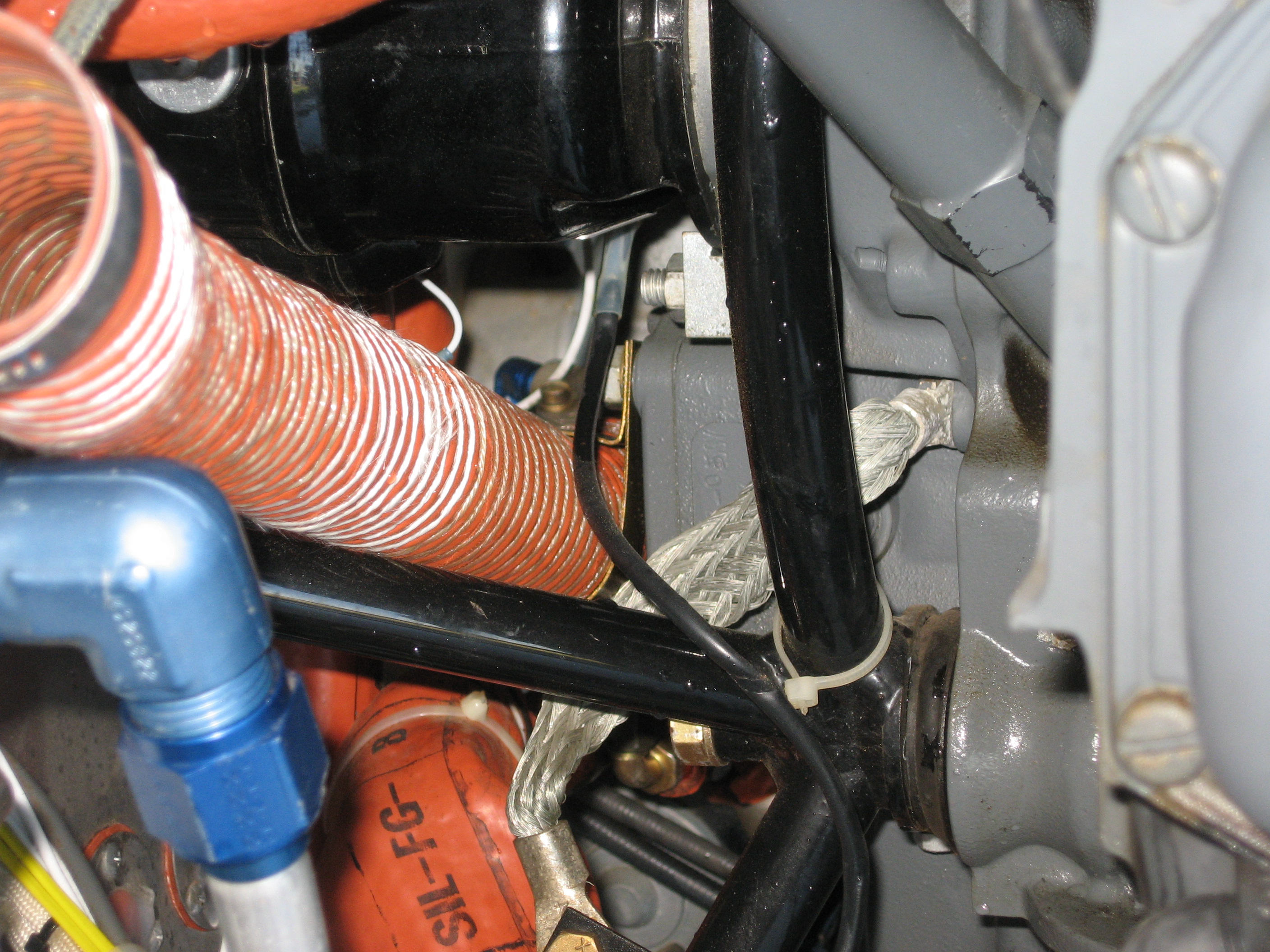
That big old red hose goes to, you guessed it, the fuel pump on another engine I changed on a super Decath this year. There must be a reason for these things.

 So I might think about putting a good cooling hose to help out on cooling fuel.

Patrick Thyssen


--- On Thu, 9/24/09, Patrick Thyssen <jump2(at)sbcglobal.net> wrote:

[quote]

From: Patrick Thyssen <jump2(at)sbcglobal.net>

Subject: RE: Re: Fuel Flow Transducer Move

To: rv10-list(at)matronics.com

Date: Thursday, September 24, 2009, 10:17 PM


One thing I have just thought about and correct me if I'm wrong. From the fuel pump to the fuel pressure sending unit is up hill or above the fuel pump. This being said if you get air in your hoses going to your pressure transducer from  being hot [vapor] then you could have a problem as to what it is reporting.

By having a compression of air instead of solid liquid.

 Lets hear from the engineers.


Patrick Thyssen

Engine pickled again!!! for new instrument panel

 Oh how I love OP


--- On Thu, 9/24/09, McGann, Ron <Ron.McGann(at)thalesgroup.com.au> wrote:

[quote]

From: McGann, Ron <Ron.McGann(at)thalesgroup.com.au>

Subject: RE: Re: Fuel Flow Transducer  Move

To: rv10-list(at)matronics.com

Date: Thursday, September 24, 2009, 5:28  PM


--> RV10-List message posted by: "McGann, Ron" <Ron.McGann(at)thalesgroup.com.au>


Only 40 hours but same experience as Marcus.  Only irregluarity comes

when the boost pump is engaged but the totaliser function always appears

to reflect remaining fuel to within a gallon or so.


Ron McGann


Head of Engineering

Security Solutions & Services

Aerospace


Tel: +61 2 9562 3530 | Mob: +61 (0) 466 655 393 | Fax: +61 2 9562 2100


--
| | - The Matronics RV10-List Email Forum - | | | Use the List Feature Navigator to browse the many List utilities available such as the Email Subscriptions page, Archive Search & Download, 7-Day Browse, Chat, FAQ, Photoshare, and much more:
http://www.matronics.com/Navigator?RV10-List |
|
| Description: |
|
| Filesize: |
1.59 MB |
| Viewed: |
6023 Time(s) |
|
|
|
| Back to top |
|
 |
jump2(at)sbcglobal.net
Guest
|
| Posted: Thu Sep 24, 2009 11:36 pm Post subject: Fuel Flow Transducer Move |
|
|
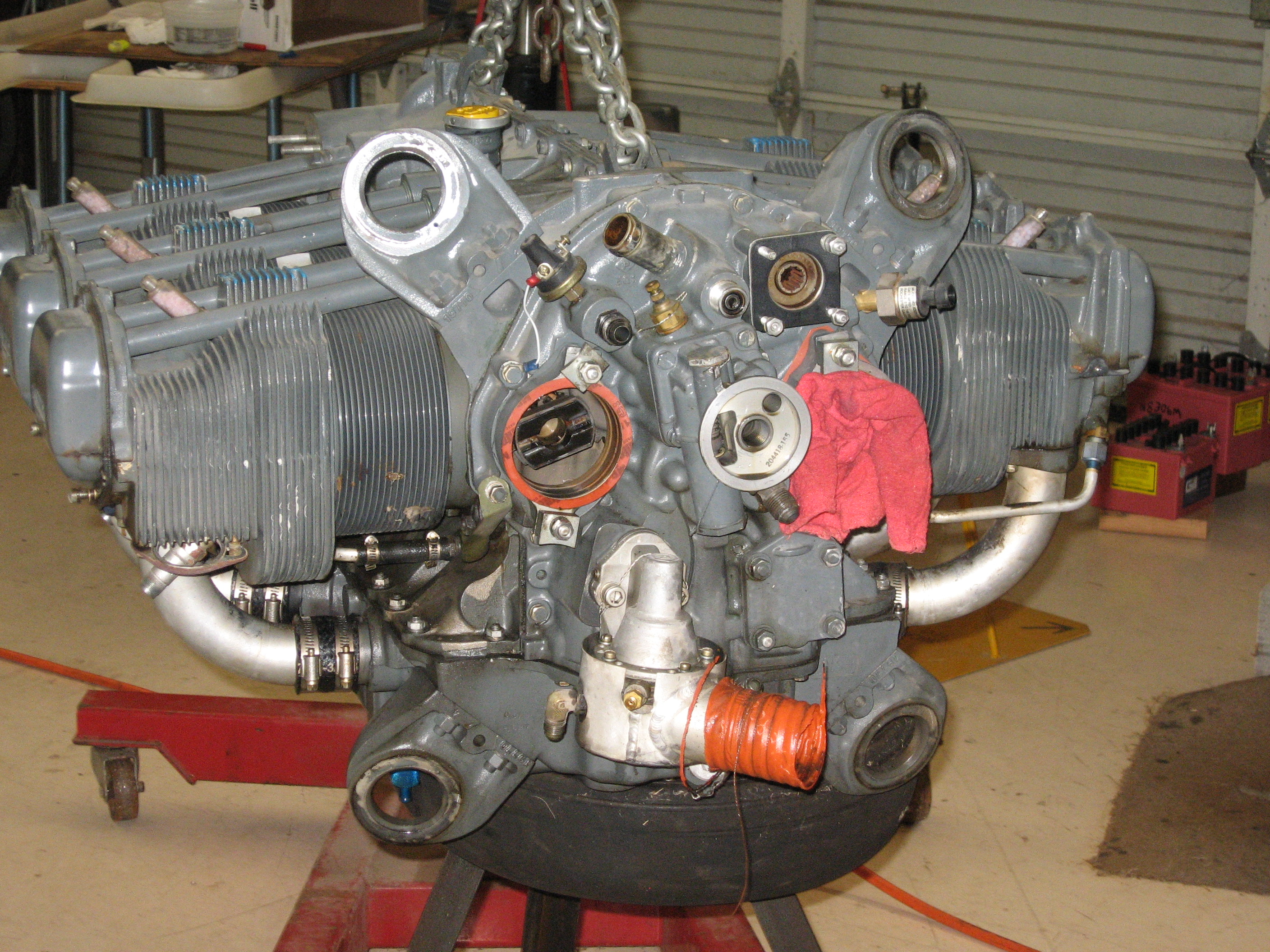
Here is another picture of a fuel pump on M7-235 Maule I changed earlier this year. big red hose for airconditioning of fuel pump.

Patrick Thyssen


--- On Thu, 9/24/09, Patrick Thyssen <jump2(at)sbcglobal.net> wrote:

[quote]

From: Patrick Thyssen <jump2(at)sbcglobal.net>

Subject: RE: RV10-List: Re: Fuel Flow Transducer Move

To: rv10-list(at)matronics.com

Date: Thursday, September 24, 2009, 10:17 PM


One thing I have  just thought about and correct me if I'm wrong. From the fuel pump to the fuel pressure sending unit is up hill or above the fuel pump. This being said if you get air in your hoses going to your pressure transducer from  being hot [vapor] then you could have a problem as to what it is reporting.

By having a compression of air instead of solid liquid.

 Lets hear from the engineers.


Patrick Thyssen

Engine pickled again!!! for new instrument panel

 Oh how I love OP


--- On Thu, 9/24/09, McGann, Ron <Ron.McGann(at)thalesgroup.com.au> wrote:

[quote]

From: McGann, Ron <Ron.McGann(at)thalesgroup.com.au>

Subject: RE: Re: Fuel Flow Transducer  Move

To: rv10-list(at)matronics.com

Date: Thursday, September 24, 2009, 5:28  PM


--> RV10-List message posted by: "McGann, Ron" <Ron.McGann(at)thalesgroup.com.au>


Only 40 hours but same experience as Marcus.  Only irregluarity comes

when the boost pump is engaged but the totaliser function always appears

to reflect remaining fuel to within a gallon or so.


Ron McGann


Head of Engineering

Security Solutions & Services

Aerospace


Tel: +61 2 9562 3530 | Mob: +61 (0) 466 655 393 | Fax: +61 2 9562 2100


--
| | - The Matronics RV10-List Email Forum - | | | Use the List Feature Navigator to browse the many List utilities available such as the Email Subscriptions page, Archive Search & Download, 7-Day Browse, Chat, FAQ, Photoshare, and much more:
http://www.matronics.com/Navigator?RV10-List |
|
| Description: |
|
| Filesize: |
2.09 MB |
| Viewed: |
6023 Time(s) |
|
|
|
| Back to top |
|
|
partner14
Joined: 12 Jan 2008
Posts: 540
Location: Granbury Texas
|
| Posted: Fri Sep 25, 2009 4:13 am Post subject: Fuel Flow Transducer Move |
|
|
Ditto.

 Don McDonald


--- On Thu, 9/24/09, Rene Felker <rene(at)felker.com> wrote:


 [quote]

From: Rene Felker <rene(at)felker.com>

Subject: RE: Re: Fuel Flow Transducer Move

To: rv10-list(at)matronics.com

Date: Thursday, September 24, 2009, 9:49 AM


 --> RV10-List message posted by: "Rene Felker" <rene(at)felker.com (rene(at)felker.com)>


I left mine in the standard position.  I see very minor fluctuations....I do

not think it is a problem.


Rene' Felker

RV-10 N423CF Flying

801-721-6080

--
| | - The Matronics RV10-List Email Forum - | | | Use the List Feature Navigator to browse the many List utilities available such as the Email Subscriptions page, Archive Search & Download, 7-Day Browse, Chat, FAQ, Photoshare, and much more:
http://www.matronics.com/Navigator?RV10-List |
|
_________________
Don A. McDonald
40636 |
|
| Back to top |
|
|
wcurtis(at)nerv10.com
Guest
|
| Posted: Fri Sep 25, 2009 5:27 am Post subject: Fuel Flow Transducer Move |
|
|
Patrick,
Which statement(s) do you stand by?
-Reading a 12 year old publication from JPI which documents the installation of a Flowscan transducer, NOT an EI red cube transducer?
-Not using sealant on NPT fittings? ---really? why do you and JPI suggest not using sealant on NPT fittings?
-Use of aluminum fittings on the transducer? You do realize that the EI red cube transducer is made of aluminum, right?
Because I said I did not read the JPI manual, does not mean I did not read the EI or AFS installation manuals which are MUCH more updated. Why don't YOU take a look at the EI installation manual. You will find no such admonishment on using aluminum or 90 degree fittings. In fact, on page 5 you will see 45 degree and 90 degree fittings as approved for installation with the red cube. Here is a link to the EI fuel flow installation instructions.
http://buy-ei.com/Information/II%20-%20FP-5.pdf
William
http://wcurtis.nerv10.com
On Thu, Sep 24, 2009 at 10:40 PM, Patrick Thyssen <jump2(at)sbcglobal.net (jump2(at)sbcglobal.net)> wrote:
[quote] I'LL STAND BY MY STATEMENT WITH THE ADDED INSERT, EI MAKE INSTALLATION MANUALS ALSO. THEY REFERENCE AC43-13 ALSO. YOUR LOSS FOR NOT READING EVERYTHING YOU CAN. YOU WOULD LEARN A LOT MORE.
PATRICK THYSSEN
--- On Thu, 9/24/09, William Curtis <wcurtis(at)nerv10.com (wcurtis(at)nerv10.com)> wrote:
| Quote: |
From: William Curtis <wcurtis(at)nerv10.com (wcurtis(at)nerv10.com)>
Subject: Re: Re: Fuel Flow Transducer Move
To: rv10-list(at)matronics.com (rv10-list(at)matronics.com)
Date: Thursday, September 24, 2009, 3:10 PM
Guess you did not read the caption above the photo regarding the aluminum fitting. NPT fittings benefit from sealant, AN fittings do not. The inlet to the flow transducer is NPT. As far as the 90 degree fitting out from the transducer, well that's what I have now on the Cardinal and it works just fine. The instrument I have in the Cardinal is Electronics International, the OEM for the "red cube" transducer so no, I never read nor plan to read the JPI manual.
William
http://wcurtis.nerv10.com/
On Thu, Sep 24, 2009 at 2:47 PM, Patrick Thyssen <jump2(at)sbcglobal.net> wrote:
| Quote: | Question, Why the teflon tape or pipe sealent? Why aluminum fitting into the transducer?
JP instruments and I suggest never ever use that stuff on the transducer. And it would be a lot better if you had a straight out fitting from the transducer. Not the ninety. Good book to read Is the JPI installation manual. I think it''s the second page where it says, read this first.
But that just my opinion and we all have one.
Patrick Thyssen
But then I too made a mistake and bought OP Equiptment And now I'm fixing that.
Dual 430w and garmin G500. Now I know they will work.
--- On Thu, 9/24/09, William Curtis <wcurtis(at)nerv10.com> wrote:
| Quote: |
From: William Curtis <wcurtis(at)nerv10.com>
Subject: Re: Re: Fuel Flow Transducer Move
To: rv10-list(at)matronics.com
Date: Thursday, September 24, 2009, 11:56 AM
I think the general consensus is that is works fine in the standard location (tunnel) if you can accept some variability in flow indications when the electric fuel pump is on. With that being said, mine sits BEFORE the flow divider on top of the air box in the picture below. It is not flying yet but in my Cardinal it is AFTER the mechanical fuel pump BEFORE the servo and very stable.
http://wcurtis.nerv10.com/90Electrical/EL2g.html
William
http://wcurtis.nerv10.com/
On Thu, Sep 24, 2009 at 12:05 PM, Nick Leonard <nick(at)nleonard.com> wrote:
|
|
|
| Quote: |
get="_blank">http://www.matronics.com/Navigator?RV10-List
ttp://forums.matronics.com
_blank">http://www.matronics.com/contribution
|
[b]
| | - The Matronics RV10-List Email Forum - | | | Use the List Feature Navigator to browse the many List utilities available such as the Email Subscriptions page, Archive Search & Download, 7-Day Browse, Chat, FAQ, Photoshare, and much more:
http://www.matronics.com/Navigator?RV10-List |
|
|
|
| Back to top |
|
|
msausen
Joined: 25 Oct 2007
Posts: 559
Location: Appleton, WI USA
|
| Posted: Fri Sep 25, 2009 7:10 am Post subject: Fuel Flow Transducer Move |
|
|
You can get a similar cooling shroud for the pump on the 360/540 series from here….


http://www.aircraftspruce.com/catalog/eppages/fuelpumps.php


Michael


From: owner-rv10-list-server(at)matronics.com [mailto:owner-rv10-list-server(at)matronics.com] On Behalf Of Patrick Thyssen

 Sent: Friday, September 25, 2009 2:35 AM

 To: rv10-list(at)matronics.com

 Subject: RE: Re: Fuel Flow Transducer Move


Here is another picture of a fuel pump on M7-235 Maule I   changed earlier this year. big red hose for airconditioning of fuel pump.

   Patrick Thyssen


   --- On Thu, 9/24/09, Patrick Thyssen <jump2(at)sbcglobal.net>   wrote:


   From: Patrick Thyssen <jump2(at)sbcglobal.net>

   Subject: RE: Re: Fuel Flow Transducer Move

   To: rv10-list(at)matronics.com

   Date: Thursday, September 24, 2009, 10:17 PM

One thing I     have just thought about and correct me if I'm wrong. From the fuel pump to     the fuel pressure sending unit is up hill or above the fuel pump. This     being said if you get air in your hoses going to your pressure transducer     from  being hot [vapor] then you could have a problem as to what it is     reporting.

     By having a compression of air instead of solid liquid.

      Lets hear from the engineers.


     Patrick Thyssen

     Engine pickled again!!! for new instrument panel

      Oh how I love OP


     --- On Thu, 9/24/09, McGann, Ron <Ron.McGann(at)thalesgroup.com.au>     wrote:


     From: McGann, Ron <Ron.McGann(at)thalesgroup.com.au>

     Subject: RE: Re: Fuel Flow Transducer Move

     To: rv10-list(at)matronics.com

     Date: Thursday, September 24, 2009, 5:28 PM

--> RV10-List message posted by: "McGann,     Ron" <Ron.McGann(at)thalesgroup.com.au>


     Only 40 hours but same experience as Marcus.  Only irregluarity comes

     when the boost pump is engaged but the totaliser function always appears

     to reflect remaining fuel to within a gallon or so.


     Ron McGann


     Head of Engineering

     Security Solutions & Services

     Aerospace


     Tel: +61 2 9562 3530 | Mob: +61 (0) 466 655 393 | Fax: +61 2 9562 2100


     --
| | - The Matronics RV10-List Email Forum - | | | Use the List Feature Navigator to browse the many List utilities available such as the Email Subscriptions page, Archive Search & Download, 7-Day Browse, Chat, FAQ, Photoshare, and much more:
http://www.matronics.com/Navigator?RV10-List |
|
|
|
| Back to top |
|
|
Tim Olson
Joined: 25 Jan 2007
Posts: 2882
|
| Posted: Fri Sep 25, 2009 8:34 am Post subject: Fuel Flow Transducer Move |
|
|
I've got one of those.  Haven't installed it yet, but I have it.

Some day if I get real bored or ambitious, I'll put it on

and report back.  Maybe years from now.  I know if I ever pull

the engine I'll install it, but not sure if I will otherwise.

Tim Olson - RV-10 N104CD

do not archive

RV Builder (Michael Sausen) wrote:

[quote] You can get a similar cooling shroud for the pump on the 360/540 series

 from here….


 http://www.aircraftspruce.com/catalog/eppages/fuelpumps.php


 Michael


 *From:* owner-rv10-list-server(at)matronics.com

 [mailto:owner-rv10-list-server(at)matronics.com] *On Behalf Of *Patrick Thyssen

 *Sent:* Friday, September 25, 2009 2:35 AM

 *To:* rv10-list(at)matronics.com

 *Subject:* RE: Re: Fuel Flow Transducer Move


 Here is another picture of a fuel pump on M7-235 Maule I changed earlier

 this year. big red hose for airconditioning of fuel pump.

 Patrick Thyssen


 --- On *Thu, 9/24/09, Patrick Thyssen /<jump2(at)sbcglobal.net>/* wrote:


 From: Patrick Thyssen <jump2(at)sbcglobal.net>

 Subject: RE: Re: Fuel Flow Transducer Move

 To: rv10-list(at)matronics.com

 Date: Thursday, September 24, 2009, 10:17 PM


 One thing I have just thought about and correct me if I'm wrong. From

 the fuel pump to the fuel pressure sending unit is up hill or above the

 fuel pump. This being said if you get air in your hoses going to your

 pressure transducer from  being hot [vapor] then you could have a

 problem as to what it is reporting.

 By having a compression of air instead of solid liquid.

  Lets hear from the engineers.


 Patrick Thyssen

 Engine pickled again!!! for new instrument panel

  Oh how I love OP


 --- On *Thu, 9/24/09, McGann, Ron /<Ron.McGann(at)thalesgroup.com.au>/* wrote:


 From: McGann, Ron <Ron.McGann(at)thalesgroup.com.au>

 Subject: RE: Re: Fuel Flow Transducer Move

 To: rv10-list(at)matronics.com

 Date: Thursday, September 24, 2009, 5:28 PM


 <Ron.McGann(at)thalesgroup.com.au>


 Only 40 hours but same experience as Marcus.  Only irregluarity comes

 when the boost pump is engaged but the totaliser function always appears

 to reflect remaining fuel to within a gallon or so.


 Ron McGann


 Head of Engineering

 Security Solutions & Services

 Aerospace


 Tel: +61 2 9562 3530 | Mob: +61 (0) 466 655 393 | Fax: +61 2 9562 2100


 --
| | - The Matronics RV10-List Email Forum - | | | Use the List Feature Navigator to browse the many List utilities available such as the Email Subscriptions page, Archive Search & Download, 7-Day Browse, Chat, FAQ, Photoshare, and much more:
http://www.matronics.com/Navigator?RV10-List |
|
|
|
| Back to top |
|
|
jump2(at)sbcglobal.net
Guest
|
| Posted: Sat Sep 26, 2009 6:39 pm Post subject: Fuel Flow Transducer Move |
|
|
Tim,

 Thats not exactly right. when you have fuel or liquid mix with vapor or air,pass by a volume of air you will see a change in pressure due to the compression of the air. That's why you see fluxuation in pressure gauges.

 If you worked in the oil and gas business you see this all the time in pipelines. If you look at a trouble shooting manual for this, one of the reasons you see fluxuation in gauges due to vapor in the line and one of the first thing it tells you is to get the air out.

 So what I was getting at is the gas(vapor) is getting into the line going to the gauge so as other vapor mixed with fuel passes by your gauge line it changes press due to compression of the vapor.


Patrick Thyssen

still learning

--- On Thu, 9/24/09, Tim Olson <Tim(at)MyRV10.com>  wrote:

[quote]

From: Tim Olson <Tim(at)MyRV10.com>

Subject: Re: Re: Fuel Flow Transducer Move

To: rv10-list(at)matronics.com

Date: Thursday, September 24, 2009, 11:41 PM


--> RV10-List message posted by: Tim Olson <[url=/mc/compose?to=Tim(at)myrv10.com]Tim(at)myrv10.com[/url]>


Pressure is pressure, it's just the compressibility that is

different.  If the vapor were at 50psi, it would push

down on the fuel at 50psi, and up on the fuel pressure

sender at 50psi, and the fuel would transfer that pressure

to the engine at 50psi.  Doesn't matter if it's vapor, or

what is in the line...it's just a diaphragm that is

displaying pressure.  Think of a manometer..it's using

air and liquid to show air pressure, but inside the

manometer is  both air and liquid.  It's all the same when

it's pushing out against something else.  If you have a

pot of steaming water and you plug it, the steam will

build up pressure, and if you puncture the bottom of

the pot, the water will come out at whatever pressure

the steam is at.


So no, it shouldn't have an effect on the pressure reading.


Tim Olson - RV-10 N104CD


Patrick Thyssen wrote:

[quote] One thing I have just thought about and correct me if I'm wrong. From the fuel pump to the fuel pressure sending unit is up hill or above the fuel pump. This being said if you get air in your hoses going to your pressure transducer from  being hot [vapor] then you could have a problem as to what it is reporting.

 By having a compression of air instead of solid liquid.

  Lets hear from the engineers.


 Patrick Thyssen

 Engine pickled again!!! for new instrument  panel

  Oh how I love OP


 --- On *Thu, 9/24/09, McGann, Ron /<[url=/mc/compose?to=Ron.McGann(at)thalesgroup.com.au]Ron.McGann(at)thalesgroup.com.au[/url]>/* wrote:


     From: McGann, Ron <[url=/mc/compose?to=Ron.McGann(at)thalesgroup.com.au]Ron.McGann(at)thalesgroup.com.au[/url]>

     Subject: RE: Re: Fuel Flow Transducer Move

     To: [url=/mc/compose?to=rv10-list(at)matronics.com]rv10-list(at)matronics.com[/url]

     Date: Thursday, September 24, 2009, 5:28 PM


     --> RV10-List message posted by: "McGann, Ron"

     <[url=/mc/compose?to=Ron.McGann(at)thalesgroup.com.au]Ron.McGann(at)thalesgroup.com.au[/url]>


     Only 40 hours but same experience as Marcus.  Only irregluarity comes

     when the boost pump is engaged but the totaliser function always appears

     to reflect remaining fuel to within a gallon or so.


     Ron McGann


     Head of Engineering

     Security Solutions & Services

     Aerospace


     Tel: +61 2 9562 3530 | Mob: +61 (0) 466 655 393 | Fax: +61 2 9562 2100


     --
| | - The Matronics RV10-List Email Forum - | | | Use the List Feature Navigator to browse the many List utilities available such as the Email Subscriptions page, Archive Search & Download, 7-Day Browse, Chat, FAQ, Photoshare, and much more:
http://www.matronics.com/Navigator?RV10-List |
|
|
|
| Back to top |
|
|
Kelly McMullen
Joined: 16 Apr 2008
Posts: 1188
Location: Sun Lakes AZ
|
| Posted: Sat Sep 26, 2009 7:07 pm Post subject: Fuel Flow Transducer Move |
|
|
There are only two ways to get vapor. Either the line is hot enough to
vaporize fuel...only going to happen at low power, or if you have a
leak and are sucking air into the line. If the line is sealed, at high
power you will not have any fluctuations because the flow is
sufficient to keep the lines cool. The line from the spider to the
fuel pressure sending unit is sealed, and it will make little
difference whether it contains air or fuel, other than speed of
response.
On Sat, Sep 26, 2009 at 10:29 PM, Patrick Thyssen <jump2(at)sbcglobal.net> wrote:
| Quote: |
Tim,
Thats not exactly right. when you have fuel or liquid mix with vapor or air,pass by a volume of air you will see a change in pressure due to the compression of the air. That's why you see fluxuation in pressure gauges.
If you worked in the oil and gas business you see this all the time in pipelines. If you look at a trouble shooting manual for this, one of the reasons you see fluxuation in gauges due to vapor in the line and one of the first thing it tells you is to get the air out.
So what I was getting at is the gas(vapor) is getting into the line going to the gauge so as other vapor mixed with fuel passes by your gauge line it changes press due to compression of the vapor.
Patrick Thyssen
still learning
--- On Thu, 9/24/09, Tim Olson <Tim(at)MyRV10.com> wrote:
From: Tim Olson <Tim(at)MyRV10.com>
Subject: Re: Re: Fuel Flow Transducer Move
To: rv10-list(at)matronics.com
Date: Thursday, September 24, 2009, 11:41 PM
Pressure is pressure, it's just the compressibility that is
different. If the vapor were at 50psi, it would push
down on the fuel at 50psi, and up on the fuel pressure
sender at 50psi, and the fuel would transfer that pressure
to the engine at 50psi. Doesn't matter if it's vapor, or
what is in the line...it's just a diaphragm that is
displaying pressure. Think of a manometer..it's using
air and liquid to show air pressure, but inside the
manometer is both air and liquid. It's all the same when
it's pushing out against something else. If you have a
pot of steaming water and you plug it, the steam will
build up pressure, and if you puncture the bottom of
the pot, the water will come out at whatever pressure
the steam is at.
So no, it shouldn't have an effect on the pressure reading.
Tim Olson - RV-10 N104CD
|
| | - The Matronics RV10-List Email Forum - | | | Use the List Feature Navigator to browse the many List utilities available such as the Email Subscriptions page, Archive Search & Download, 7-Day Browse, Chat, FAQ, Photoshare, and much more:
http://www.matronics.com/Navigator?RV10-List |
|
_________________
Kelly McMullen
A&P/IA, EAA Tech Counselor
KCHD |
|
| Back to top |
|
|
Tim Olson
Joined: 25 Jan 2007
Posts: 2882
|
| Posted: Sat Sep 26, 2009 7:14 pm Post subject: Fuel Flow Transducer Move |
|
|
Sure, but when the air is compressing and expanding, the pressure of the liquid is changing too....it's not staying steady.  So if the gas expands and causes a pressure rise, the fuel pressure will go up too.  The vapor may cause the gauge to move up and down but the fuel pressure is changing then too.

Tim


On Sep 26, 2009, at 9:29 PM, Patrick Thyssen <jump2(at)sbcglobal.net (jump2(at)sbcglobal.net)> wrote:


[quote]Tim,

 Thats not exactly right. when you have fuel or liquid mix with vapor or air,pass by a volume of air you will see a change in pressure due to the compression of the air. That's why you see fluxuation in pressure gauges.

 If you worked in the oil and gas business you see this all the time in pipelines. If you look at a trouble shooting manual for this, one of the reasons you see fluxuation in gauges due to vapor in the line and one of the first thing it tells you is to get the air out.

 So what I was getting at is the gas(vapor) is getting into the line going to the gauge so as other vapor mixed with fuel passes by your gauge line it changes press due to compression of the vapor.


Patrick Thyssen

still learning

--- On Thu, 9/24/09, Tim Olson <Tim(at)MyRV10.com (Tim(at)MyRV10.com)>  wrote:

[quote]

From: Tim Olson <Tim(at)MyRV10.com (Tim(at)MyRV10.com)>

Subject: Re: Re: Fuel Flow Transducer Move

To: [url=mailto:rv10-list(at)matronics.com]rv10-list(at)matronics.com (rv10-list(at)matronics.com)[/url]

Date: Thursday, September 24, 2009, 11:41 PM


--> RV10-List message posted by: Tim Olson <Tim(at)myrv10.com (Tim(at)myrv10.com)>


Pressure is pressure, it's just the compressibility that is

different.  If the vapor were at 50psi, it would push

down on the fuel at 50psi, and up on the fuel pressure

sender at 50psi, and the fuel would transfer that pressure

to the engine at 50psi.  Doesn't matter if it's vapor, or

what is in the line...it's just a diaphragm that is

displaying pressure.  Think of a manometer..it's using

air and liquid to show air pressure, but inside the

manometer is  both air and liquid.  It's all the same when

it's pushing out against something else.  If you have a

pot of steaming water and you plug it, the steam will

build up pressure, and if you puncture the bottom of

the pot, the water will come out at whatever pressure

the steam is at.


So no, it shouldn't have an effect on the pressure reading.


Tim Olson - RV-10 N104CD


Patrick Thyssen wrote:

[quote] One thing I have just thought about and correct me if I'm wrong. From the fuel pump to the fuel pressure sending unit is up hill or above the fuel pump. This being said if you get air in your hoses going to your pressure transducer from  being hot [vapor] then you could have a problem as to what it is reporting.

 By having a compression of air instead of solid liquid.

  Lets hear from the engineers.


 Patrick Thyssen

 Engine pickled again!!! for new instrument  panel

  Oh how I love OP


 --- On *Thu, 9/24/09, McGann, Ron /<Ron.McGann(at)thalesgroup.com.au (Ron.McGann(at)thalesgroup.com.au)>/* wrote:


     From: McGann, Ron <Ron.McGann(at)thalesgroup.com.au (Ron.McGann(at)thalesgroup.com.au)>

     Subject: RE: Re: Fuel Flow Transducer Move

     To: rv10-list(at)matronics.com (rv10-list(at)matronics.com)

     Date: Thursday, September 24, 2009, 5:28 PM


     --> RV10-List message posted by: "McGann, Ron"

     <Ron.McGann(at)thalesgroup.com.au (Ron.McGann(at)thalesgroup.com.au)>


     Only 40 hours but same experience as Marcus.  Only irregluarity comes

     when the boost pump is engaged but the totaliser function always appears

     to reflect remaining fuel to within a gallon or so.


     Ron McGann


     Head of Engineering

     Security Solutions & Services

     Aerospace


     Tel: +61 2 9562 3530 | Mob: +61 (0) 466 655 393 | Fax: +61 2 9562 2100


     --
| | - The Matronics RV10-List Email Forum - | | | Use the List Feature Navigator to browse the many List utilities available such as the Email Subscriptions page, Archive Search & Download, 7-Day Browse, Chat, FAQ, Photoshare, and much more:
http://www.matronics.com/Navigator?RV10-List |
|
|
|
| Back to top |
|
|
jump2(at)sbcglobal.net
Guest
|
| Posted: Sun Sep 27, 2009 5:15 am Post subject: Fuel Flow Transducer Move |
|
|
Tim,

 Yes but it at different rates. you have the factor that the fluid is moving out to the injector giving relief ever so slightly as the vapor hits a open area bigger then it was in, allowing it to expand then having to compress again  as per fluid takes less time to compress.

 So my conclusion is , get air out of the lines. Everyone who has fluxuation in their pressure gauges should check for air in their lines to their transducers.


Patrick Thyssen


--- On Sat, 9/26/09, Tim Olson <Tim(at)MyRV10.com> wrote:

[quote]

From: Tim Olson <Tim(at)MyRV10.com>

Subject: Re: Re: Fuel Flow Transducer Move

To: "rv10-list(at)matronics.com" <rv10-list(at)matronics.com>

Date: Saturday, September 26, 2009,  10:09 PM


Sure, but when the air is compressing and expanding, the pressure of the liquid is changing too....it's not staying steady.  So if the gas expands and causes a pressure rise, the fuel pressure will go up too.  The vapor may cause the gauge to move up and down but the fuel pressure is changing then too.

Tim


On Sep 26, 2009, at 9:29 PM, Patrick Thyssen <[url=/mc/compose?to=jump2(at)sbcglobal.net]jump2(at)sbcglobal.net[/url]> wrote:


[quote]Tim,

 Thats not  exactly right. when you have fuel or liquid mix with vapor or air,pass by a volume of air you will see a change in pressure due to the compression of the air. That's why you see fluxuation in pressure gauges.

 If you worked in the oil and gas business you see this all the time in pipelines. If you look at a trouble shooting manual for this, one of the reasons you see fluxuation in gauges due to vapor in the line and one of the first thing it tells you is to get the air out.

 So what I was getting at is the gas(vapor) is getting into the line going to the gauge so as other vapor mixed with fuel passes by your gauge line it changes press due to compression of the vapor.


Patrick Thyssen

still learning

--- On Thu, 9/24/09, Tim Olson <[url=/mc/compose?to=Tim(at)MyRV10.com]Tim(at)MyRV10.com[/url]>  wrote:

[quote]

From: Tim Olson <[url=/mc/compose?to=Tim(at)MyRV10.com]Tim(at)MyRV10.com[/url]>

Subject: Re: Re: Fuel Flow Transducer Move

To: rv10-list(at)matronics.com (rv10-list(at)matronics.com)

Date: Thursday, September 24, 2009, 11:41 PM


--> RV10-List message posted by: Tim Olson <[url=/mc/compose?to=Tim(at)myrv10.com]Tim(at)myrv10.com[/url]>


Pressure is pressure, it's just the compressibility that is

different.  If the  vapor were at 50psi, it would push

down on the fuel at 50psi, and up on the fuel pressure

sender at 50psi, and the fuel would transfer that pressure

to the engine at 50psi.  Doesn't matter if it's vapor, or

what is in the line...it's just a diaphragm that is

displaying pressure.  Think of a manometer..it's using

air and liquid to show air pressure, but inside the

manometer is  both air and liquid.  It's all the same when

it's pushing out against something else.  If you have a

pot of steaming water and you plug it, the steam will

build up pressure, and if you puncture the bottom of

the pot, the water will come out at whatever pressure

the steam is at.


So no, it shouldn't have an effect on the pressure reading.


Tim Olson - RV-10 N104CD


Patrick Thyssen wrote:

[quote] One thing I have just thought about and correct me if I'm wrong. From the fuel pump to the fuel pressure sending unit is up hill or above the fuel pump. This being said if you get air in your hoses going to your pressure transducer from  being hot [vapor] then you could have a problem as to what it is reporting.

 By having a compression of air instead of solid liquid.

  Lets hear from the engineers.


 Patrick Thyssen

 Engine pickled again!!! for new instrument  panel

  Oh how I love OP


 --- On *Thu, 9/24/09, McGann, Ron /<[url=/mc/compose?to=Ron.McGann(at)thalesgroup.com.au]Ron.McGann(at)thalesgroup.com.au[/url]>/* wrote:


     From: McGann, Ron <[url=/mc/compose?to=Ron.McGann(at)thalesgroup.com.au]Ron.McGann(at)thalesgroup.com.au[/url]>

     Subject: RE: Re: Fuel Flow Transducer Move

     To: [url=/mc/compose?to=rv10-list(at)matronics.com]rv10-list(at)matronics.com[/url]

     Date: Thursday, September 24, 2009, 5:28 PM


      --> RV10-List message posted by: "McGann, Ron"

     <[url=/mc/compose?to=Ron.McGann(at)thalesgroup.com.au]Ron.McGann(at)thalesgroup.com.au[/url]>


     Only 40 hours but same experience as Marcus.  Only irregluarity comes

     when the boost pump is engaged but the totaliser function always appears

     to reflect remaining fuel to within a gallon or so.


     Ron McGann


     Head of Engineering

     Security Solutions & Services

     Aerospace


     Tel: +61 2 9562 3530 | Mob: +61 (0) 466 655 393 | Fax: +61 2 9562 2100


      --
| | - The Matronics RV10-List Email Forum - | | | Use the List Feature Navigator to browse the many List utilities available such as the Email Subscriptions page, Archive Search & Download, 7-Day Browse, Chat, FAQ, Photoshare, and much more:
http://www.matronics.com/Navigator?RV10-List |
|
|
|
| Back to top |
|
|
Kelly McMullen
Joined: 16 Apr 2008
Posts: 1188
Location: Sun Lakes AZ
|
| Posted: Sun Sep 27, 2009 7:44 am Post subject: Fuel Flow Transducer Move |
|
|
Totally unnecessary. You aren't going to detect the fraction of a second difference. The only place air makes a difference is in the lines to/from the fuel servo and injectors. Unless you have a leak, will only be there during startup/taxi from a hot start. The fluctuations at the transducer have nothing to do with whether the line to the spyder has air or liquid. You are confusing pulsation in the fuel FLOW gauge with a pressure pulsation in the fuel pressure, which is very unlikely. Flow pulsations have to do with the fuel pump and placement of the transducer and virtually nothing to do with pressure.
On Sun, Sep 27, 2009 at 9:02 AM, Patrick Thyssen <jump2(at)sbcglobal.net (jump2(at)sbcglobal.net)> wrote:
[quote] Tim,
Yes but it at different rates. you have the factor that the fluid is moving out to the injector giving relief ever so slightly as the vapor hits a open area bigger then it was in, allowing it to expand then having to compress again as per fluid takes less time to compress.
So my conclusion is , get air out of the lines. Everyone who has fluxuation in their pressure gauges should check for air in their lines to their transducers.
Patrick Thyssen
--- On Sat, 9/26/09, Tim Olson <Tim(at)MyRV10.com> wrote:
[quote]
From: Tim Olson <Tim(at)MyRV10.com>
Subject: Re: Re: Fuel Flow Transducer Move
To: "rv10-list(at)matronics.com (rv10-list(at)matronics.com)" <rv10-list(at)matronics.com (rv10-list(at)matronics.com)>
Date: Saturday, September 26, 2009, 10:09 PM
Sure, but when the air is compressing and expanding, the pressure of the liquid is changing too....it's not staying steady. So if the gas expands and causes a pressure rise, the fuel pressure will go up too. The vapor may cause the gauge to move up and down but the fuel pressure is changing then too.
Tim
On Sep 26, 2009, at 9:29 PM, Patrick Thyssen <jump2(at)sbcglobal.net> wrote:
[quote] Tim,
Thats not exactly right. when you have fuel or liquid mix with vapor or air,pass by a volume of air you will see a change in pressure due to the compression of the air. That's why you see fluxuation in pressure gauges.
If you worked in the oil and gas business you see this all the time in pipelines. If you look at a trouble shooting manual for this, one of the reasons you see fluxuation in gauges due to vapor in the line and one of the first thing it tells you is to get the air out.
So what I was getting at is the gas(vapor) is getting into the line going to the gauge so as other vapor mixed with fuel passes by your gauge line it changes press due to compression of the vapor.
Patrick Thyssen
still learning
--- On Thu, 9/24/09, Tim Olson <Tim(at)MyRV10.com> wrote:
[quote]
From: Tim Olson <Tim(at)MyRV10.com>
Subject: Re: Re: Fuel Flow Transducer Move
To: [/url][url=http://mc/compose?to=rv10-list(at)matronics.com]rv10-list(at)matronics.com
Date: Thursday, September 24, 2009, 11:41 PM
--> RV10-List message posted by: Tim Olson <Tim(at)myrv10.com>
Pressure is pressure, it's just the compressibility that is
different. If the vapor were at 50psi, it would push
down on the fuel at 50psi, and up on the fuel pressure
sender at 50psi, and the fuel would transfer that pressure
to the engine at 50psi. Doesn't matter if it's vapor, or
what is in the line...it's just a diaphragm that is
displaying pressure. Think of a manometer..it's using
air and liquid to show air pressure, but inside the
manometer is both air and liquid. It's all the same when
it's pushing out against something else. If you have a
pot of steaming water and you plug it, the steam will
build up pressure, and if you puncture the bottom of
the pot, the water will come out at whatever pressure
the steam is at.
So no, it shouldn't have an effect on the pressure reading.
Tim Olson - RV-10 N104CD
Patrick Thyssen wrote:
| Quote: | One thing I have just thought about and correct me if I'm wrong. From the fuel pump to the fuel pressure sending unit is up hill or above the fuel pump. This being said if you get air in your hoses going to your pressure transducer from being hot [vapor] then you could have a problem as to what it is reporting.
> By having a compression of air instead of solid liquid.
|
| Quote: | Lets hear from the engineers.
Patrick Thyssen
Engine pickled again!!! for new instrument panel
Oh how I love OP
--- On *Thu, 9/24/09, McGann, Ron /<Ron.McGann(at)thalesgroup.com.au>/* wrote:
>
|
| Quote: | Only 40 hours but same experience as Marcus. Only irregluarity comes
when the boost pump is engaged but the totaliser function always appears
to reflect remaining fuel to within a gallon or so.
>
|
| Quote: | Ron McGann
Head of Engineering
Security Solutions & Services
Aerospace
Tel: +61 2 9562 3530 | Mob: +61 (0) 466 655 393 | Fax: +61 2 9562 2100
>
|
[quote] --
| | - The Matronics RV10-List Email Forum - | | | Use the List Feature Navigator to browse the many List utilities available such as the Email Subscriptions page, Archive Search & Download, 7-Day Browse, Chat, FAQ, Photoshare, and much more:
http://www.matronics.com/Navigator?RV10-List |
|
_________________
Kelly McMullen
A&P/IA, EAA Tech Counselor
KCHD |
|
| Back to top |
|
|
jump2(at)sbcglobal.net
Guest
|
| Posted: Sun Sep 27, 2009 8:55 am Post subject: Fuel Flow Transducer Move |
|
|
This is my last Question, Where is your fuel pressure coming off. Is it the spider or the fuel pump? I believe most are coming from their fuel pump on the rv10.
Patrick Thyssen
--- On Sun, 9/27/09, Kelly McMullen <apilot2(at)gmail.com> wrote:
[quote]
From: Kelly McMullen <apilot2(at)gmail.com>
Subject: Re: Re: Fuel Flow Transducer Move
To: rv10-list(at)matronics.com
Date: Sunday, September 27, 2009, 10:42 AM
Totally unnecessary. You aren't going to detect the fraction of a second difference. The only place air makes a difference is in the lines to/from the fuel servo and injectors. Unless you have a leak, will only be there during startup/taxi from a hot start. The fluctuations at the transducer have nothing to do with whether the line to the spyder has air or liquid. You are confusing pulsation in the fuel FLOW gauge with a pressure pulsation in the fuel pressure, which is very unlikely. Flow pulsations have to do with the fuel pump and placement of the transducer and virtually nothing to do with pressure.
On Sun, Sep 27, 2009 at 9:02 AM, Patrick Thyssen <[url=/mc/compose?to=jump2(at)sbcglobal.net]jump2(at)sbcglobal.net[/url]> wrote:
[quote] Tim,
Yes but it at different rates. you have the factor that the fluid is moving out to the injector giving relief ever so slightly as the vapor hits a open area bigger then it was in, allowing it to expand then having to compress again as per fluid takes less time to compress.
So my conclusion is , get air out of the lines. Everyone who has fluxuation in their pressure gauges should check for air in their lines to their transducers.
Patrick Thyssen
--- On Sat, 9/26/09, Tim Olson <Tim(at)MyRV10.com> wrote:
[quote]
From: Tim Olson <Tim(at)MyRV10.com>
Subject: Re: RV10-List: Re: Fuel Flow Transducer Move
To: "rv10-list(at)matronics.com (rv10-list(at)matronics.com)>
Date: Saturday, September 26, 2009, 10:09 PM
Sure, but when the air is compressing and expanding, the pressure of the liquid is changing too....it's not staying steady. So if the gas expands and causes a pressure rise, the fuel pressure will go up too. The vapor may cause the gauge to move up and down but the fuel pressure is changing then too.
Tim
On Sep 26, 2009, at 9:29 PM, Patrick Thyssen <jump2(at)sbcglobal.net> wrote:
[quote] Tim,
Thats not exactly right. when you have fuel or liquid mix with vapor or air,pass by a volume of air you will see a change in pressure due to the compression of the air. That's why you see fluxuation in pressure gauges.
If you worked in the oil and gas business you see this all the time in pipelines. If you look at a trouble shooting manual for this, one of the reasons you see fluxuation in gauges due to vapor in the line and one of the first thing it tells you is to get the air out.
So what I was getting at is the gas(vapor) is getting into the line going to the gauge so as other vapor mixed with fuel passes by your gauge line it changes press due to compression of the vapor.
Patrick Thyssen
still learning
--- On Thu, 9/24/09, Tim Olson <Tim(at)MyRV10.com> wrote:
[quote]
From: Tim Olson <Tim(at)MyRV10.com>
Subject: Re: Re: Fuel Flow Transducer Move
To: [/url][url=http://mc/compose?to=rv10-list(at)matronics.com]rv10-list(at)matronics.com
Date: Thursday, September 24, 2009, 11:41 PM
--> RV10-List message posted by: Tim Olson <Tim(at)myrv10.com>
Pressure is pressure, it's just the compressibility that is
different. If the vapor were at 50psi, it would push
down on the fuel at 50psi, and up on the fuel pressure
sender at 50psi, and the fuel would transfer that pressure
to the engine at 50psi. Doesn't matter if it's vapor, or
what is in the line...it's just a diaphragm that is
displaying pressure. Think of a manometer..it's using
air and liquid to show air pressure, but inside the
manometer is both air and liquid. It's all the same when
it's pushing out against something else. If you have a
pot of steaming water and you plug it, the steam will
build up pressure, and if you puncture the bottom of
the pot, the water will come out at whatever pressure
the steam is at.
So no, it shouldn't have an effect on the pressure reading.
Tim Olson - RV-10 N104CD
Patrick Thyssen wrote:
| Quote: | One thing I have just thought about and correct me if I'm wrong. From the fuel pump to the fuel pressure sending unit is up hill or above the fuel pump. This being said if you get air in your hoses going to your pressure transducer from being hot [vapor] then you could have a problem as to what it is reporting.
> By having a compression of air instead of solid liquid.
|
| Quote: | Lets hear from the engineers.
Patrick Thyssen
Engine pickled again!!! for new instrument panel
Oh how I love OP
--- On *Thu, 9/24/09, McGann, Ron /<Ron.McGann(at)thalesgroup.com.au>/* wrote:
>
|
| Quote: | Only 40 hours but same experience as Marcus. Only irregluarity comes
when the boost pump is engaged but the totaliser function always appears
to reflect remaining fuel to within a gallon or so.
>
|
| Quote: | Ron McGann
Head of Engineering
Security Solutions & Services
Aerospace
Tel: +61 2 9562 3530 | Mob: +61 (0) 466 655 393 | Fax: +61 2 9562 2100
>
|
[quote] --
| | - The Matronics RV10-List Email Forum - | | | Use the List Feature Navigator to browse the many List utilities available such as the Email Subscriptions page, Archive Search & Download, 7-Day Browse, Chat, FAQ, Photoshare, and much more:
http://www.matronics.com/Navigator?RV10-List |
|
|
|
| Back to top |
|
|
jump2(at)sbcglobal.net
Guest
|
| Posted: Sun Sep 27, 2009 9:44 am Post subject: Fuel Flow Transducer Move |
|
|
Correction, I'm not talking about your fuel flow transducer I'm talking about fuel pressure transducer. The line from pump runs uphill and vapor does not travel down hill in a closed end line.
Patrick Thyssen
--- On Sun, 9/27/09, Patrick Thyssen <jump2(at)sbcglobal.net> wrote:
[quote]
From: Patrick Thyssen <jump2(at)sbcglobal.net>
Subject: Re: RV10-List: Re: Fuel Flow Transducer Move
To: rv10-list(at)matronics.com
Date: Sunday, September 27, 2009, 11:50 AM
This is my last Question, Where is your fuel pressure coming off. Is it the spider or the fuel pump? I believe most are coming from their fuel pump on the rv10.
Patrick Thyssen
--- On Sun, 9/27/09, Kelly McMullen <apilot2(at)gmail.com> wrote:
[quote]
From: Kelly McMullen <apilot2(at)gmail.com>
Subject: Re: Re: Fuel Flow Transducer Move
To: rv10-list(at)matronics.com
Date: Sunday, September 27, 2009, 10:42 AM
Totally unnecessary. You aren't going to detect the fraction of a second difference. The only place air makes a difference is in the lines to/from the fuel servo and injectors. Unless you have a leak, will only be there during startup/taxi from a hot start. The fluctuations at the transducer have nothing to do with whether the line to the spyder has air or liquid. You are confusing pulsation in the fuel FLOW gauge with a pressure pulsation in the fuel pressure, which is very unlikely. Flow pulsations have to do with the fuel pump and placement of the transducer and virtually nothing to do with pressure.
On Sun, Sep 27, 2009 at 9:02 AM, Patrick Thyssen <jump2(at)sbcglobal.net> wrote:
[quote] Tim,
Yes but it at different rates. you have the factor that the fluid is moving out to the injector giving relief ever so slightly as the vapor hits a open area bigger then it was in, allowing it to expand then having to compress again as per fluid takes less time to compress.
So my conclusion is , get air out of the lines. Everyone who has fluxuation in their pressure gauges should check for air in their lines to their transducers.
Patrick Thyssen
--- On Sat, 9/26/09, Tim Olson <Tim(at)MyRV10.com> wrote:
[quote]
From: Tim Olson <Tim(at)MyRV10.com>
Subject: Re: Re: Fuel Flow Transducer Move
To: "rv10-list(at)matronics.com" <rv10-list(at)matronics.com>
Date: Saturday, September 26, 2009, 10:09 PM
Sure, but when the air is compressing and expanding, the pressure of the liquid is changing too....it's not staying steady. So if the gas expands and causes a pressure rise, the fuel pressure will go up too. The vapor may cause the gauge to move up and down but the fuel pressure is changing then too.
Tim
On Sep 26, 2009, at 9:29 PM, Patrick Thyssen <jump2(at)sbcglobal.net> wrote:
[quote] Tim,
Thats not exactly right. when you have fuel or liquid mix with vapor or air,pass by a volume of air you will see a change in pressure due to the compression of the air. That's why you see fluxuation in pressure gauges.
If you worked in the oil and gas business you see this all the time in pipelines. If you look at a trouble shooting manual for this, one of the reasons you see fluxuation in gauges due to vapor in the line and one of the first thing it tells you is to get the air out.
So what I was getting at is the gas(vapor) is getting into the line going to the gauge so as other vapor mixed with fuel passes by your gauge line it changes press due to compression of the vapor.
Patrick Thyssen
still learning
--- On Thu, 9/24/09, Tim Olson <Tim(at)MyRV10.com> wrote:
[quote]
From: Tim Olson <Tim(at)MyRV10.com>
Subject: Re: Re: Fuel Flow Transducer Move
To: [/url][url=http://mc/compose?to=rv10-list(at)matronics.com]rv10-list(at)matronics.com
Date: Thursday, September 24, 2009, 11:41 PM
--> RV10-List message posted by: Tim Olson <Tim(at)myrv10.com>
Pressure is pressure, it's just the compressibility that is
different. If the vapor were at 50psi, it would push
down on the fuel at 50psi, and up on the fuel pressure
sender at 50psi, and the fuel would transfer that pressure
to the engine at 50psi. Doesn't matter if it's vapor, or
what is in the line...it's just a diaphragm that is
displaying pressure. Think of a manometer..it's using
air and liquid to show air pressure, but inside the
manometer is both air and liquid. It's all the same when
it's pushing out against something else. If you have a
pot of steaming water and you plug it, the steam will
build up pressure, and if you puncture the bottom of
the pot, the water will come out at whatever pressure
the steam is at.
So no, it shouldn't have an effect on the pressure reading.
Tim Olson - RV-10 N104CD
Patrick Thyssen wrote:
| Quote: | One thing I have just thought about and correct me if I'm wrong. From the fuel pump to the fuel pressure sending unit is up hill or above the fuel pump. This being said if you get air in your hoses going to your pressure transducer from being hot [vapor] then you could have a problem as to what it is reporting.
> By having a compression of air instead of solid liquid.
|
| Quote: | Lets hear from the engineers.
Patrick Thyssen
Engine pickled again!!! for new instrument panel
Oh how I love OP
--- On *Thu, 9/24/09, McGann, Ron /<Ron.McGann(at)thalesgroup.com.au>/* wrote:
>
|
| Quote: | Only 40 hours but same experience as Marcus. Only irregluarity comes
when the boost pump is engaged but the totaliser function always appears
to reflect remaining fuel to within a gallon or so.
>
|
| Quote: | Ron McGann
Head of Engineering
Security Solutions & Services
Aerospace
Tel: +61 2 9562 3530 | Mob: +61 (0) 466 655 393 | Fax: +61 2 9562 2100
>
|
[quote] --
| | - The Matronics RV10-List Email Forum - | | | Use the List Feature Navigator to browse the many List utilities available such as the Email Subscriptions page, Archive Search & Download, 7-Day Browse, Chat, FAQ, Photoshare, and much more:
http://www.matronics.com/Navigator?RV10-List |
|
|
|
| Back to top |
|
|
wcurtis(at)nerv10.com
Guest
|
| Posted: Sun Sep 27, 2009 10:13 am Post subject: Fuel Flow Transducer Move |
|
|
On the RV-10, the standard location for the fuel pressure indication is from the output side of the engine driven pump. In other aircraft, such as my C177RG, the fuel pressure indication is taken off the spider.
William
http://wcurtis.nerv10.com/
On Sun, Sep 27, 2009 at 12:50 PM, Patrick Thyssen <jump2(at)sbcglobal.net (jump2(at)sbcglobal.net)> wrote:
[quote] This is my last Question, Where is your fuel pressure coming off. Is it the spider or the fuel pump? I believe most are coming from their fuel pump on the rv10.
Patrick Thyssen
--- On Sun, 9/27/09, Kelly McMullen <apilot2(at)gmail.com (apilot2(at)gmail.com)> wrote:
[quote]
From: Kelly McMullen <apilot2(at)gmail.com (apilot2(at)gmail.com)>
Subject: Re: RV10-List: Re: Fuel Flow Transducer Move
To: rv10-list(at)matronics.com (rv10-list(at)matronics.com)
Date: Sunday, September 27, 2009, 10:42 AM
Totally unnecessary. You aren't going to detect the fraction of a second difference. The only place air makes a difference is in the lines to/from the fuel servo and injectors. Unless you have a leak, will only be there during startup/taxi from a hot start. The fluctuations at the transducer have nothing to do with whether the line to the spyder has air or liquid. You are confusing pulsation in the fuel FLOW gauge with a pressure pulsation in the fuel pressure, which is very unlikely. Flow pulsations have to do with the fuel pump and placement of the transducer and virtually nothing to do with pressure.
On Sun, Sep 27, 2009 at 9:02 AM, Patrick Thyssen <jump2(at)sbcglobal.net> wrote:
[quote] Tim,
Yes but it at different rates. you have the factor that the fluid is moving out to the injector giving relief ever so slightly as the vapor hits a open area bigger then it was in, allowing it to expand then having to compress again as per fluid takes less time to compress.
So my conclusion is , get air out of the lines. Everyone who has fluxuation in their pressure gauges should check for air in their lines to their transducers.
Patrick Thyssen
--- On Sat, 9/26/09, Tim Olson <Tim(at)MyRV10.com> wrote:
[quote]
From: Tim Olson <Tim(at)MyRV10.com>
Subject: Re: Re: Fuel Flow Transducer Move
To: "rv10-list(at)matronics.com" <rv10-list(at)matronics.com>
Date: Saturday, September 26, 2009, 10:09 PM
Sure, but when the air is compressing and expanding, the pressure of the liquid is changing too....it's not staying steady. So if the gas expands and causes a pressure rise, the fuel pressure will go up too. The vapor may cause the gauge to move up and down but the fuel pressure is changing then too.
Tim
On Sep 26, 2009, at 9:29 PM, Patrick Thyssen <jump2(at)sbcglobal.net> wrote:
[quote] Tim,
Thats not exactly right. when you have fuel or liquid mix with vapor or air,pass by a volume of air you will see a change in pressure due to the compression of the air. That's why you see fluxuation in pressure gauges.
If you worked in the oil and gas business you see this all the time in pipelines. If you look at a trouble shooting manual for this, one of the reasons you see fluxuation in gauges due to vapor in the line and one of the first thing it tells you is to get the air out.
So what I was getting at is the gas(vapor) is getting into the line going to the gauge so as other vapor mixed with fuel passes by your gauge line it changes press due to compression of the vapor.
Patrick Thyssen
still learning
--- On Thu, 9/24/09, Tim Olson <Tim(at)MyRV10.com> wrote:
[quote]
From: Tim Olson <Tim(at)MyRV10.com>
Subject: Re: Re: Fuel Flow Transducer Move
To: [/url][url=http://mc/compose?to=rv10-list(at)matronics.com]rv10-list(at)matronics.com
Date: Thursday, September 24, 2009, 11:41 PM
--> RV10-List message posted by: Tim Olson <Tim(at)myrv10.com>
Pressure is pressure, it's just the compressibility that is
different. If the vapor were at 50psi, it would push
down on the fuel at 50psi, and up on the fuel pressure
sender at 50psi, and the fuel would transfer that pressure
to the engine at 50psi. Doesn't matter if it's vapor, or
what is in the line...it's just a diaphragm that is
displaying pressure. Think of a manometer..it's using
air and liquid to show air pressure, but inside the
manometer is both air and liquid. It's all the same when
it's pushing out against something else. If you have a
pot of steaming water and you plug it, the steam will
build up pressure, and if you puncture the bottom of
the pot, the water will come out at whatever pressure
the steam is at.
So no, it shouldn't have an effect on the pressure reading.
Tim Olson - RV-10 N104CD
Patrick Thyssen wrote:
| Quote: | One thing I have just thought about and correct me if I'm wrong. From the fuel pump to the fuel pressure sending unit is up hill or above the fuel pump. This being said if you get air in your hoses going to your pressure transducer from being hot [vapor] then you could have a problem as to what it is reporting.
> By having a compression of air instead of solid liquid.
|
| Quote: | Lets hear from the engineers.
Patrick Thyssen
Engine pickled again!!! for new instrument panel
Oh how I love OP
> --- On *Thu, 9/24/09, McGann, Ron /<Ron.McGann(at)thalesgroup.com.au>/* wrote:
|
| Quote: |
Only 40 hours but same experience as Marcus. Only irregluarity comes
> when the boost pump is engaged but the totaliser function always appears
|
| Quote: | to reflect remaining fuel to within a gallon or so.
Ron McGann
Head of Engineering
> Security Solutions & Services
|
[quote] Aerospace
Tel: +61 2 9562 3530 | Mob: +61 (0) 466 655 393 | Fax: +61 2 9562 2100
--
| | - The Matronics RV10-List Email Forum - | | | Use the List Feature Navigator to browse the many List utilities available such as the Email Subscriptions page, Archive Search & Download, 7-Day Browse, Chat, FAQ, Photoshare, and much more:
http://www.matronics.com/Navigator?RV10-List |
|
|
|
| Back to top |
|
|
Kelly McMullen
Joined: 16 Apr 2008
Posts: 1188
Location: Sun Lakes AZ
|
| Posted: Sun Sep 27, 2009 11:55 am Post subject: Fuel Flow Transducer Move |
|
|
Neither one, actually. Comes off of the fuel servo right behind the
inlet connection, so it is the pressure the servo sees.
Any air in the line would tend to dampen pulsations, not cause them.
On Sun, Sep 27, 2009 at 12:50 PM, Patrick Thyssen <jump2(at)sbcglobal.net> wrote:
| Quote: |
This is my last Question, Where is your fuel pressure coming off. Is it the spider or the fuel pump? I believe most are coming from their fuel pump on the rv10.
Patrick Thyssen
|
| | - The Matronics RV10-List Email Forum - | | | Use the List Feature Navigator to browse the many List utilities available such as the Email Subscriptions page, Archive Search & Download, 7-Day Browse, Chat, FAQ, Photoshare, and much more:
http://www.matronics.com/Navigator?RV10-List |
|
_________________
Kelly McMullen
A&P/IA, EAA Tech Counselor
KCHD |
|
| Back to top |
|
|
|
|
You cannot post new topics in this forum
You cannot reply to topics in this forum
You cannot edit your posts in this forum
You cannot delete your posts in this forum
You cannot vote in polls in this forum
You cannot attach files in this forum
You can download files in this forum
|
Powered by phpBB © 2001, 2005 phpBB Group
|
 Get Email Distribution Too!
 FAQ
FAQ Search
 Memberlist
 Usergroups
 Register
 Profile
 Log in to check your private messages
 Log in


